People who have diabetes would now able to bypass the painful finger prickle method for monitoring glucose levels. Scientists at the University of Waterloo developed non-invasive monitoring of Glucose levels using a comb ination of Artificial intelligence (AI)
and Radar. Google and German hardware company Infineon collaborated and developed the small radar device, and they further sought input from few select teams on the potential applications. The research is led by professor George Shaker from the University of Waterloo, Canada.
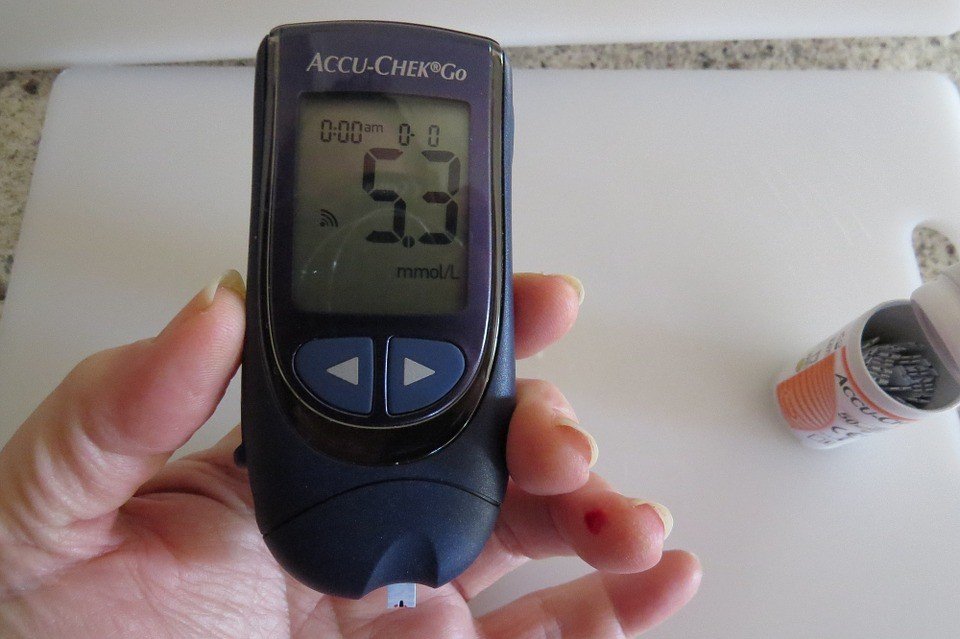
Diabetes is a metabolic disorder characterised by the presence of high glucose levels in the blood. It might be due to inadequate insulin production, or the body cells do not properly respond to Insulin. Diabetes is of two types: Type 1 and Type-2. In simple terms, Type -1 diabetes the body produces little or no insulin, whereas in Type-2 diabetes the body of the patients does not respond properly to insulin. Patients need to monitor the blood glucose levels frequently continuously. The most common method employed is the painful finger-prickle to monitor glucose levels. It can be measured by the use of blood glucose meter that tests a drop of blood which was released through the needle prick of the finger. Diabetic patients have to bear the brunt multiple times in a day. The diabetic research has picked up the pace and recently we have reported adhesive skin patch that for non-invasive monitoring of glucose levels. The current device is also non-invasive and would be a “blessing in disguise” for diabetic patients.
How does the device function?
The small radar device sends high-frequency radio waves into liquids containing varying glucose levels and receives the reflected radio waves. The information is then converted to digital data for analysis by AI algorithm developed by the researchers. The algorithm is able to detect glucose levels based on more than 500 wave features that include the likes of the time taken by the waves to reach back the device. The data analysed by the algorithms is then sent wirelessly to the computers.
Evaluation of the radar device:
The researchers conducted tests with volunteers at the Research Institute for ageing and the results are promising. The accuracy of the device was found to be 85 per cent when compared to the tradition invasive finger prickle method. Future research would involve refining the system to quantify glucose levels and further obtain results through the skin. The team is closely working with Infineon to minimise the device size so that it can be low-cost and low-power. The researchers are now hoping to develop a device with self-contained technology similar to a wearable. So, one day we might be able to monitor glucose levels continuously by just wearing a smartwatch.
Always on the move with the latest happenings in the field of technology and health. When I am not writing, you can find me listening to the latest chartbusters. Also being a sports geek, I always keep a close eye on all the latest happenings.
I have not checked in here for some time because I thought it was getting boring, but the last several posts are good quality so I guess I will add you back to my everyday bloglist. You deserve it my friend 🙂
I¡¦ve been exploring for a little for any high-quality articles or weblog posts on this kind of area. Exploring in Yahoo I eventually stumbled upon this site. Studying this information So I’m happy to exhibit that I have a very excellent uncanny feeling I discovered just what I needed. I most indisputably will make certain to don’t put out of your mind this web site and give it a glance regularly.
I was just looking for this info for a while. After 6 hours of continuous Googleing, finally I got it in your web site. I wonder what’s the lack of Google strategy that do not rank this type of informative websites in top of the list. Generally the top web sites are full of garbage.
I am just writing to make you be aware of what a superb encounter my friend’s princess found reading your site. She picked up such a lot of details, most notably what it’s like to possess an incredible coaching nature to make other people just grasp chosen specialized matters. You really did more than my expected results. Thanks for delivering those good, safe, edifying and even easy guidance on the topic.
I¡¦m not positive where you are getting your information, however good topic. I needs to spend some time learning much more or working out more. Thanks for excellent info I used to be searching for this information for my mission.
Pretty section of content. I just stumbled upon your weblog and assert that I acquire actually enjoyed account your blog posts. Anyway, I’ll be subscribing to your feeds and even I achievement you access consistently quickly.
I am not sure where you are getting your info, but great topic. I needs to spend some time learning more or understanding more. Thanks for excellent information I was looking for this information for my mission.
you are actually a good webmaster. The website loading velocity is amazing. It seems that you are doing any distinctive trick. In addition, The contents are masterpiece. you’ve done a excellent process on this subject!
Hello there, just became alert to your blog through Google, and found that it is truly informative. I am gonna watch out for brussels. I’ll be grateful if you continue this in future. Lots of people will be benefited from your writing. Cheers!
Excellent read, I just passed this onto a friend who was doing a little research on that. And he actually bought me lunch since I found it for him smile So let me rephrase that: Thanks for lunch!
I have to get across my admiration for your generosity supporting persons who really want assistance with the area. Your very own dedication to getting the message all over has been extraordinarily functional and has in every case enabled ladies like me to reach their endeavors. Your new helpful publication signifies a great deal to me and far more to my colleagues. With thanks; from each one of us.
Wow, marvelous weblog layout! How lengthy have you been blogging for? you made blogging glance easy. The overall look of your website is fantastic, as well as the content!
As I web-site possessor I believe the content matter here is rattling fantastic , appreciate it for your hard work. You should keep it up forever! Best of luck.
I like what you guys are up also. Such clever work and reporting! Keep up the superb works guys I¡¦ve incorporated you guys to my blogroll. I think it’ll improve the value of my web site 🙂
It¡¦s really a great and helpful piece of information. I¡¦m satisfied that you shared this helpful information with us. Please keep us informed like this. Thank you for sharing.
I¡¦m not positive where you are getting your information, however good topic. I needs to spend some time learning much more or working out more. Thanks for excellent info I used to be searching for this information for my mission.
What i do not understood is actually how you are not really a lot more well-favored than you may be right now. You are so intelligent. You recognize therefore considerably on the subject of this matter, produced me in my opinion believe it from so many various angles. Its like men and women are not involved until it is one thing to do with Girl gaga! Your own stuffs excellent. At all times maintain it up!
Very good written information. It will be valuable to anybody who employess it, as well as yours truly :). Keep up the good work – for sure i will check out more posts.
I like the helpful info you provide in your articles. I’ll bookmark your blog and check again here frequently. I am quite sure I’ll learn lots of new stuff right here! Best of luck for the next!
Great tremendous things here. I’m very glad to look your article. Thank you so much and i am taking a look ahead to contact you. Will you please drop me a mail?
I have not checked in here for some time because I thought it was getting boring, but the last several posts are good quality so I guess I will add you back to my everyday bloglist. You deserve it my friend 🙂
I want to express my appreciation to the writer just for bailing me out of this type of setting. After looking through the world wide web and getting views that were not beneficial, I assumed my entire life was well over. Existing without the presence of solutions to the difficulties you have solved all through your entire write-up is a crucial case, and ones that might have negatively damaged my entire career if I hadn’t come across your blog. Your own personal mastery and kindness in dealing with all areas was tremendous. I don’t know what I would’ve done if I had not discovered such a step like this. I can now look forward to my future. Thanks for your time very much for this reliable and results-oriented help. I will not hesitate to refer your web site to anyone who requires assistance about this issue.
Good web site! I really love how it is simple on my eyes and the data are well written. I’m wondering how I could be notified when a new post has been made. I have subscribed to your feed which must do the trick! Have a nice day!
Hi there, I found your site via Google at the same time as looking for a similar subject, your site came up, it appears great. I have bookmarked it in my google bookmarks.
Fantastic goods from you, man. I’ve understand your stuff previous to and you are just extremely fantastic. I really like what you have acquired here, really like what you are stating and the way in which you say it. You make it entertaining and you still take care of to keep it sensible. I can’t wait to read far more from you. This is really a tremendous site.
Wow, fantastic blog layout! How long have you been blogging for? you make blogging look easy. The overall look of your site is magnificent, as well as the content!
Undeniably believe that which you said. Your favorite justification appeared to be on the net the easiest thing to be aware of. I say to you, I definitely get annoyed while people consider worries that they just don’t know about. You managed to hit the nail upon the top and also defined out the whole thing without having side effect , people could take a signal. Will probably be back to get more. Thanks
Hi there, You have done an incredible job. I will definitely digg it and personally suggest to my friends. I am sure they’ll be benefited from this site.
I think this is one of the most important info for me. And i’m glad reading your article. But should remark on few general things, The website style is great, the articles is really excellent : D. Good job, cheers
This is really interesting, You’re a very skilled blogger. I have joined your feed and look forward to seeking more of your great post. Also, I’ve shared your site in my social networks!
I¡¦m not positive where you are getting your information, however good topic. I needs to spend some time learning much more or working out more. Thanks for excellent info I used to be searching for this information for my mission.
Valuable information. Fortunate me I discovered your website by chance, and I’m shocked why this twist of fate did not took place earlier! I bookmarked it.
I like what you guys are up also. Such clever work and reporting! Keep up the superb works guys I¡¦ve incorporated you guys to my blogroll. I think it’ll improve the value of my web site 🙂
It is perfect time to make some plans for the future and it’s time to be happy. I have read this post and if I could I want to suggest you few interesting things or tips. Maybe you can write next articles referring to this article. I desire to read even more things about it!
I simply wanted to say thanks again. I’m not certain the things I would’ve carried out in the absence of these points provided by you regarding such field. It was before a real daunting difficulty in my view, nevertheless considering the very skilled style you treated the issue took me to jump with fulfilment. Extremely grateful for the advice and then expect you comprehend what a great job that you’re putting in training the rest all through your site. Most likely you’ve never met all of us.
I’m still learning from you, but I’m trying to reach my goals. I absolutely enjoy reading all that is posted on your blog.Keep the stories coming. I liked it!
Hey There. I found your blog using msn. This is
a really well written article. I’ll be sure to bookmark it and return to
learn extra of your helpful information. Thanks for the post.








Keep functioning ,remarkable job!
I have not checked in here for some time because I thought it was getting boring, but the last several posts are good quality so I guess I will add you back to my everyday bloglist. You deserve it my friend 🙂
I¡¦ve been exploring for a little for any high-quality articles or weblog posts on this kind of area. Exploring in Yahoo I eventually stumbled upon this site. Studying this information So I’m happy to exhibit that I have a very excellent uncanny feeling I discovered just what I needed. I most indisputably will make certain to don’t put out of your mind this web site and give it a glance regularly.
I was just looking for this info for a while. After 6 hours of continuous Googleing, finally I got it in your web site. I wonder what’s the lack of Google strategy that do not rank this type of informative websites in top of the list. Generally the top web sites are full of garbage.
I am just writing to make you be aware of what a superb encounter my friend’s princess found reading your site. She picked up such a lot of details, most notably what it’s like to possess an incredible coaching nature to make other people just grasp chosen specialized matters. You really did more than my expected results. Thanks for delivering those good, safe, edifying and even easy guidance on the topic.
I¡¦m not positive where you are getting your information, however good topic. I needs to spend some time learning much more or working out more. Thanks for excellent info I used to be searching for this information for my mission.
Pretty section of content. I just stumbled upon your weblog and assert that I acquire actually enjoyed account your blog posts. Anyway, I’ll be subscribing to your feeds and even I achievement you access consistently quickly.
Definitely, what a splendid blog and illuminating posts, I surely will bookmark your site.All the Best!
I am not sure where you are getting your info, but great topic. I needs to spend some time learning more or understanding more. Thanks for excellent information I was looking for this information for my mission.
you are actually a good webmaster. The website loading velocity is amazing. It seems that you are doing any distinctive trick. In addition, The contents are masterpiece. you’ve done a excellent process on this subject!
Hello there, just became alert to your blog through Google, and found that it is truly informative. I am gonna watch out for brussels. I’ll be grateful if you continue this in future. Lots of people will be benefited from your writing. Cheers!
Excellent read, I just passed this onto a friend who was doing a little research on that. And he actually bought me lunch since I found it for him smile So let me rephrase that: Thanks for lunch!
I have to get across my admiration for your generosity supporting persons who really want assistance with the area. Your very own dedication to getting the message all over has been extraordinarily functional and has in every case enabled ladies like me to reach their endeavors. Your new helpful publication signifies a great deal to me and far more to my colleagues. With thanks; from each one of us.
Hello.This post was extremely interesting, particularly because I was looking for thoughts on this topic last Thursday.
Wow, marvelous weblog layout! How lengthy have you been blogging for? you made blogging glance easy. The overall look of your website is fantastic, as well as the content!
As I web-site possessor I believe the content matter here is rattling fantastic , appreciate it for your hard work. You should keep it up forever! Best of luck.
I like what you guys are up also. Such clever work and reporting! Keep up the superb works guys I¡¦ve incorporated you guys to my blogroll. I think it’ll improve the value of my web site 🙂
It¡¦s really a great and helpful piece of information. I¡¦m satisfied that you shared this helpful information with us. Please keep us informed like this. Thank you for sharing.
I¡¦m not positive where you are getting your information, however good topic. I needs to spend some time learning much more or working out more. Thanks for excellent info I used to be searching for this information for my mission.
What i do not understood is actually how you are not really a lot more well-favored than you may be right now. You are so intelligent. You recognize therefore considerably on the subject of this matter, produced me in my opinion believe it from so many various angles. Its like men and women are not involved until it is one thing to do with Girl gaga! Your own stuffs excellent. At all times maintain it up!
Very good written information. It will be valuable to anybody who employess it, as well as yours truly :). Keep up the good work – for sure i will check out more posts.
I like the helpful info you provide in your articles. I’ll bookmark your blog and check again here frequently. I am quite sure I’ll learn lots of new stuff right here! Best of luck for the next!
Great tremendous things here. I’m very glad to look your article. Thank you so much and i am taking a look ahead to contact you. Will you please drop me a mail?
I have not checked in here for some time because I thought it was getting boring, but the last several posts are good quality so I guess I will add you back to my everyday bloglist. You deserve it my friend 🙂
I want to express my appreciation to the writer just for bailing me out of this type of setting. After looking through the world wide web and getting views that were not beneficial, I assumed my entire life was well over. Existing without the presence of solutions to the difficulties you have solved all through your entire write-up is a crucial case, and ones that might have negatively damaged my entire career if I hadn’t come across your blog. Your own personal mastery and kindness in dealing with all areas was tremendous. I don’t know what I would’ve done if I had not discovered such a step like this. I can now look forward to my future. Thanks for your time very much for this reliable and results-oriented help. I will not hesitate to refer your web site to anyone who requires assistance about this issue.
Good web site! I really love how it is simple on my eyes and the data are well written. I’m wondering how I could be notified when a new post has been made. I have subscribed to your feed which must do the trick! Have a nice day!
Hi there, I found your site via Google at the same time as looking for a similar subject, your site came up, it appears great. I have bookmarked it in my google bookmarks.
Fantastic goods from you, man. I’ve understand your stuff previous to and you are just extremely fantastic. I really like what you have acquired here, really like what you are stating and the way in which you say it. You make it entertaining and you still take care of to keep it sensible. I can’t wait to read far more from you. This is really a tremendous site.
Wow, fantastic blog layout! How long have you been blogging for? you make blogging look easy. The overall look of your site is magnificent, as well as the content!
Undeniably believe that which you said. Your favorite justification appeared to be on the net the easiest thing to be aware of. I say to you, I definitely get annoyed while people consider worries that they just don’t know about. You managed to hit the nail upon the top and also defined out the whole thing without having side effect , people could take a signal. Will probably be back to get more. Thanks
Hi there, You have done an incredible job. I will definitely digg it and personally suggest to my friends. I am sure they’ll be benefited from this site.
Definitely, what a splendid blog and illuminating posts, I surely will bookmark your site. All the Best!
I think this is one of the most important info for me. And i’m glad reading your article. But should remark on few general things, The website style is great, the articles is really excellent : D. Good job, cheers
This is really interesting, You’re a very skilled blogger. I have joined your feed and look forward to seeking more of your great post. Also, I’ve shared your site in my social networks!
I¡¦m not positive where you are getting your information, however good topic. I needs to spend some time learning much more or working out more. Thanks for excellent info I used to be searching for this information for my mission.
Valuable information. Fortunate me I discovered your website by chance, and I’m shocked why this twist of fate did not took place earlier! I bookmarked it.
I like what you guys are up also. Such clever work and reporting! Keep up the superb works guys I¡¦ve incorporated you guys to my blogroll. I think it’ll improve the value of my web site 🙂
It is perfect time to make some plans for the future and it’s time to be happy. I have read this post and if I could I want to suggest you few interesting things or tips. Maybe you can write next articles referring to this article. I desire to read even more things about it!
Here is an excellent Blog You might Find Intriguing that we encourage you to visit.
What’s Going down I’m new to this, I stumbled upon this I’ve discovered It positively helpful and it has helped me out loads.
I simply wanted to say thanks again. I’m not certain the things I would’ve carried out in the absence of these points provided by you regarding such field. It was before a real daunting difficulty in my view, nevertheless considering the very skilled style you treated the issue took me to jump with fulfilment. Extremely grateful for the advice and then expect you comprehend what a great job that you’re putting in training the rest all through your site. Most likely you’ve never met all of us.
I’m still learning from you, but I’m trying to reach my goals. I absolutely enjoy reading all that is posted on your blog.Keep the stories coming. I liked it!
Here is an excellent Weblog You may Uncover Fascinating that we encourage you to visit.
Hey There. I found your blog using msn. This is
a really well written article. I’ll be sure to bookmark it and return to
learn extra of your helpful information. Thanks for the post.
I will definitely comeback.